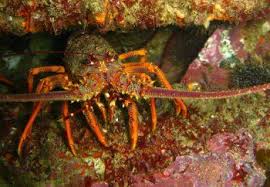
Motunau, located on the North Canterbury coast, is one of the region’s most popular and productive spots for catching crayfish (rock lobster). With its rocky shoreline, kelp forests, and easy access from Christchurch, Motunau attracts both seasoned divers and first-timers keen to put a cray or two on the table. While it can be very rewarding, success at Motunau depends heavily on conditions, technique, and local knowledge.
Understanding Motunau Conditions
Motunau is an exposed coastline, and conditions can change quickly. Swell and visibility are the two biggest factors affecting crayfish success here.
- Swell: Even a modest swell can make the reef surgey and unsafe. Smaller swells (generally under 1.5m) provide the best diving and potting conditions.
- Visibility: After calm periods, visibility can range from 5–10 metres, but it drops rapidly after easterly weather or heavy swell.
- Tides: Many divers prefer diving around slack water, though crays can be caught at any tide if conditions are calm.
Always check the marine forecast and be prepared to walk away if conditions aren’t right—Motunau will still be there another day.
Where to Look for Crayfish
Motunau’s reef structure is ideal crayfish habitat. Look for:
- Rocky ledges and cracks
- Kelp-covered reefs
- Boulder fields with deep holes underneath
- Areas with broken foul rather than flat rock
Crayfish often sit deep in holes during the day with only their antennae visible. Take your time and look carefully—many crays are missed because divers rush past good ground.
Techniques for Catching Crays
Freediving
Freediving is the most common way to catch crayfish at Motunau.
- Use a good torch, even in daylight, to spot crays tucked deep into holes.
- Approach calmly and avoid banging rocks, which will spook them.
- Grab firmly from behind the carapace, controlling the tail.
- Be prepared for surge—position yourself so you don’t get pushed into rocks.
Good breath-hold discipline and patience make a huge difference.
Pots and Traps
Cray pots are also popular at Motunau, especially for those not diving.
- Set pots close to reef edges and foul ground.
- Secure pots well—surge and swell can move poorly set gear.
- Mark clearly with floats as per regulations.
Potting success can be very tide- and location-dependent, and it often takes a few trips to dial in good spots.
Legal Size and Limits
Before heading out, make sure you are familiar with current regulations:
- Minimum size limits apply
- Daily bag limits must be followed
- Females with eggs must be released
- Crays must be taken by hand when diving (no tools)
Measuring crays underwater or immediately on the surface helps avoid unnecessary handling.
Safety at Motunau
Motunau demands respect:
- Watch for surge and swell rebound off the reef
- Use a dive flag—boat traffic does occur
- Dive with a buddy and keep visual contact
- Be cautious entering and exiting over rocky shorelines
Cold water and changing weather can also contribute to fatigue, so know your limits.
Best Time of Year
Crayfish can be caught year-round at Motunau, but many locals find:
- early summer to late Autum offers the best balance of visibility and numbers
- Winter often has clearer water but colder temperatures
- Summer can be productive but busier with divers and boaties
Pressure from frequent diving means crays can be wary, so persistence pays off.
Final Thoughts
Catching crayfish at Motunau is as much about timing and patience as it is skill. When conditions line up, it can offer some of the most satisfying shore-based cray diving in Canterbury. Respect the environment, follow the rules, and prioritise safety—and Motunau will continue to deliver memorable dives and the occasional well-earned feed of crays.